
Latest news
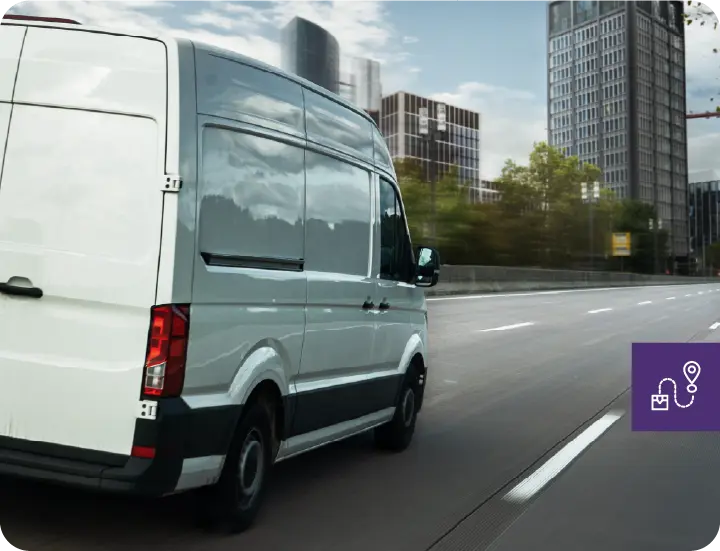
Why last-mile complexity keeps growing
Several forces compound the challenge. The scale and variability of delivery demand have changed, but many planning and execution processes haven’t kept pace. What worked when delivery volumes were predictable and routes were simpler breaks down in today’s environment. These problems interact and amplify each other, ultimately driving up operational cost while eroding service consistency.
Common pressure points include:

Variable demand and delivery patterns that make advance planning unreliable

Manual route planning that can’t adapt quickly when conditions shift mid-day

Inefficient dispatch scheduling that makes it harder to match drivers, vehicles, and delivery windows

Driver onboarding lags that drag down stops per hour and raise costs as less experienced staff join the team

Limited real-time visibility into route performance and delivery outcomes

ETAs that don’t reflect actual traffic, environmental conditions, or driver capability, damaging customer trust

Disconnected processes that limit exception management when deliveries do not go according to plan
What you’ll discover in this infographic
This visual guide walks through how vehicle routing and intelligent scheduling can transform last-mile operations. Understanding the mechanics helps to connect operational friction to business outcomes. The infographic breaks down where cost lives in your delivery network, how route optimization software reduces the manual work that slows teams down, and why the visible key performance metrics all move together when routing becomes intelligent.
You’ll see the full picture: the problem, the solution, and the proof.

The anatomy of last-mile cost and why traditional approaches leave money on the table
How to optimize delivery routes using AI-driven planning that eliminates the guesswork and adapts in real time
The role of predictive ETAs in improving customer communication and reducing failed deliveries
Integrated driver workflows that make it easier for teams to execute optimized routes
How exception management keeps operations moving even when plans change
The measurable business impact: cost per stop, on-time delivery, and driver productivity gains
The case for AI-driven vehicle routing and scheduling
Organizations already using intelligent vehicle routing and scheduling technology are seeing dramatic results. Here’s what they’re achieving:

83% improvement in driver efficiency through optimized route sequences
Stops per hour increased from 10–12 to 18–20 for newer, less experienced drivers (bridging the productivity gap faster)
20+ minutes saved per shift in van loading time through intelligent sequencing
Real-time exception handling that helps prevent cascading delays and service failures
More responsive dispatch scheduling when demand, traffic, or delay conditions change
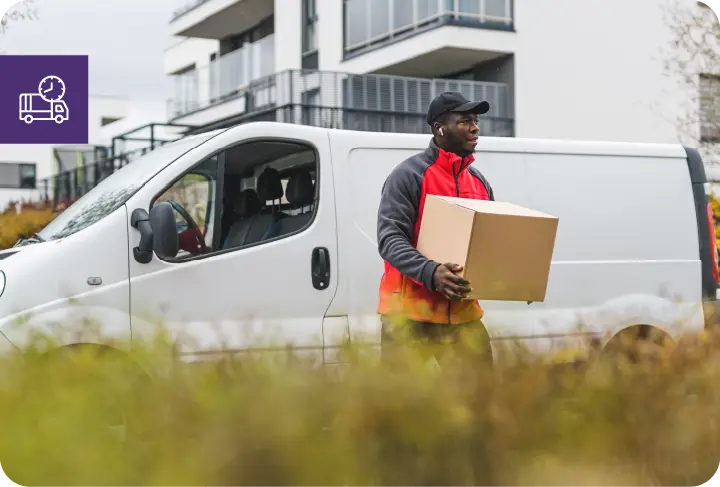
Australia Post, managing millions of deliveries across the continent, has documented these real improvements in its own operations. When route optimization is intelligent and adaptive, driver performance rises, which improves delivery reliability and shifts the cost structure of last-mile operations in your favor.
Ready to transform your last-mile operation?
The last mile doesn’t have to be a scramble. Download this infographic to see how AI-driven vehicle routing and scheduling can reduce your cost per stop and improve on-time delivery, while building the visibility you need to manage exceptions in real time.
Get the Infographic
E2open subscription center
Subscribe to receive e2open updates
Interested in learning more? Stay current with the latest e2open news – from company updates to thought-leadership pieces, and so much more!