
PRESS RELEASE: WiseTech Global completes strategic acquisition of e2open Learn more

Insight into every step of your product journey
As the market evolves and adapts to new realities, businesses must also adapt to meet these new challenges. E2open has the solution: a unified, end-to-end software platform that gives you more control over your entire value chain, from the factory floor to your customer’s hands.
Everything you need to optimize your supply chain, under one roof
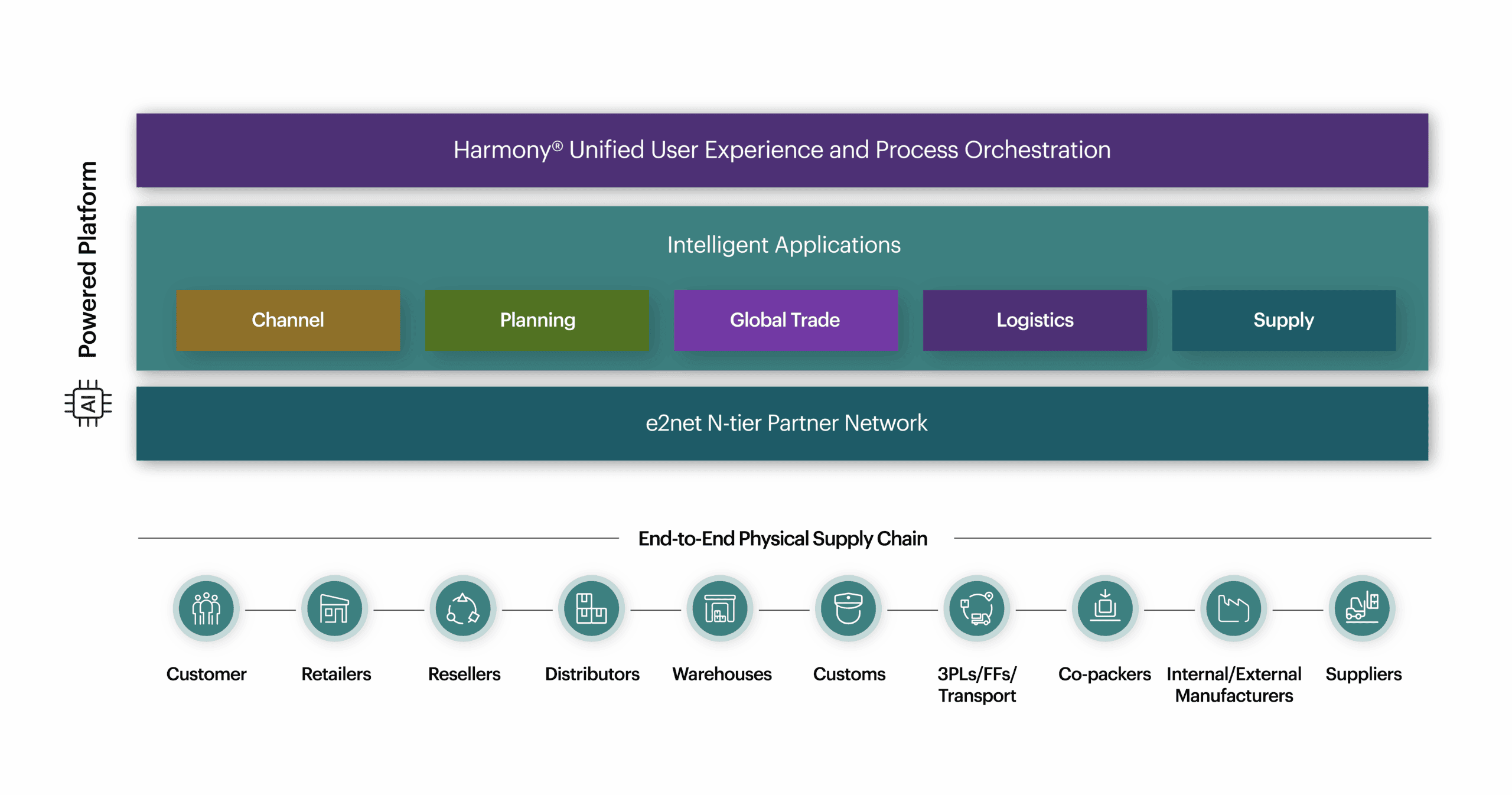
Our solution suites enable true visibility and collaboration across all of your supply chain touchpoints, including planning, supply, global trade, logistics, and channel. Our purpose-built platform lets you manage it all from one place.


The digital window into your supply chain
How do you design a platform to serve the extensive needs of a global supply chain? You go to the source. Our interface is the result of technical innovation anchored in extensive user-based research across industries and supply chain functions.

Intuitive and modern user experience
Harmony is the result of technical innovation anchored in extensive user-based research across industries and supply chain functions.

Streamlined processes and workflows
Harmony provides a common user experience across all e2open’s offerings. Key business processes are streamlined via actionable views and integrated workflows.

End-to-end visibility and collaboration
By integrating business processes and breaking down traditional information and decision-making silos, Harmony enables better planning, optimization and execution, as well as end-to-end supply chain visibility and collaboration.

Leverage the world’s largest network of interconnected partners
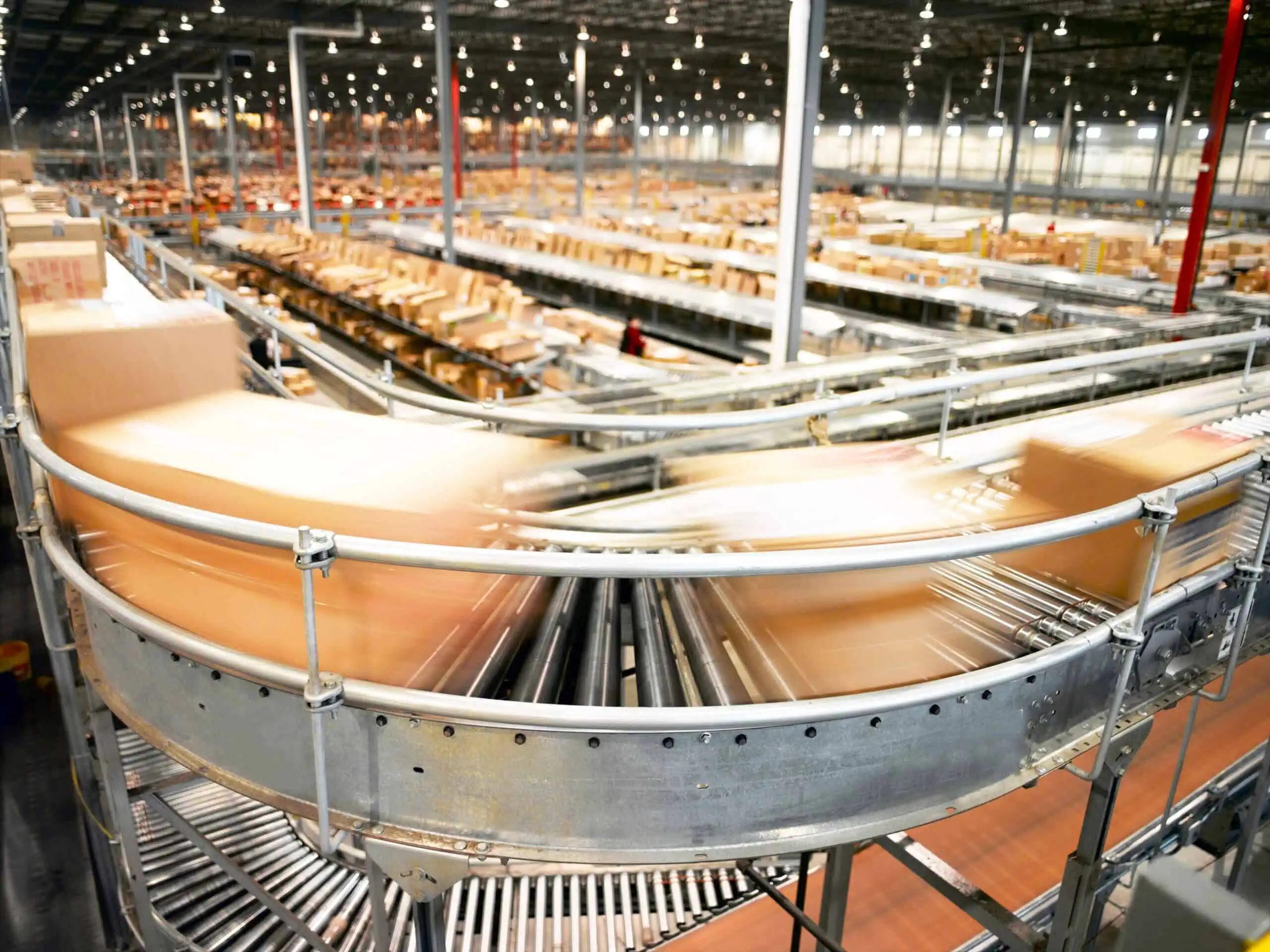
Through our unifying, end-to-end, cloud-native technology platform and interconnected network of manufacturing, logistics, and distribution partners, we empower worldwide commerce and generate greater supply chain productivity while mitigating business risks and minimizing costs.
The world’s only connected supply chain platform
Trusted by the world’s largest brands






















Purpose-built for every industry
Our customer base covers many different needs, all over the world. Here are some of the industries we regularly operate in.
Hear what our customers have to say
The e2open capabilities through supplier collaboration have enabled Jabil to standardize and digitalize our forecast communication process for all suppliers, providing increased optionality for more efficient collaboration. This is undoubtedly providing us with a competitive advantage, ensuring we have near real time visibility into forecast status with our suppliers and helping us make more reliable commitments to our customers.
Alan Brown
Vice President of Supply Chain, Technology and Transformation
Jabil
We consider e2open global trade software as a game changer. It has enabled us to gain in efficiency, follow the evolution of trade rules timely and accurately, and exploit the necessary free trade agreements. It enhanced our overall competitiveness.
Jean-Paul Verschoor
Origin Responsible Manager
Renault Group

We want to achieve world-class logistics, with teams able to leverage the best tools to overcome todays and future challenges. The benefits we are anticipating by using e2open’s TMS tool for intercontinental logistics are threefold: standardization, reduction of logistics costs, and end-to-end visibility. This should give us a competitive advantage in the market.
Dan Jianu
Logistics Operations Manager
Michelin

The vision for us is that the core activities of transportation should be running independently and smoothly without any interaction from ourselves so that we can really focus on the additional services that we offer to our customers.
Sebastian Poehl
Head of Global Business Solutions
Leschaco

E2open compliance capabilities are very important for the Geodis Supply Chain Optimization compliance risk management program. The digital information is key to providing timely and accurate visibility, streamlining our compliance check processes, improving their efficiency and reliability. We’re now very well-positioned for the next wave of growth and ready to offer our customers more value than ever before.
Laurent Rosa
GEODIS
By implementing an integrated international purchasing system, we have ensured that Leggett & Platt is maximizing its efforts to conduct its international procurement activities in a compliant manner.
John Wainwright
Leggett & Platt, Inc.

We know what stock we have in the channel, is it healthy, what our average days of stock are, do we ship in more or do we reduce what we are shipping? We are really in control of channel data.
Mailin Boeker
Acer

With the e2open system, processes that used to take a whole calendar year now happen in a matter of days.
Vinny Moscatello
Avon

Having visibility to the supply chain gives us and our suppliers the opportunity to plan. We talk about planning its capacity, its resources, its material—and it helps with the cost as well by having all those elements tied together.
L'Oreal

Working with e2open enables us to better fulfill short supplier lead times, reduce inventory levels, and dramatically improve inventory turns—all while lowering the total cost of ownership to our customers.
Celestica

Centralizing and automating our export control processes, and particularly our trade compliance, not only reduces risk for Sandvik, but opens new opportunities to do more business worldwide.
Sandvik
We rebranded e2open Concierge Services as Help Desk Plus and it has become a real extension of our company. The Help Desk Plus has enabled us to meet our partners where we need them and where they need us and make it as seamless and as easy as possible for our partners to go to market for their customers.
Sarah Masessa
Global Partner Platform and Communications Manager
VMware by Broadcom
Upcoming Events
News
Schedule a consultation