
Latest news
What would it look like if your supply chain operated as one system?
Global commerce depends on three groups working together every day: makers (manufacturers, suppliers, and producers), movers (logistics partners, carriers, and freight forwarders), and sellers (distributors, retailers, and channel partners).
Most supply chain challenges emerge when these groups run on different systems with different data and different incentives. The result is local optimization instead of coordinated, global outcomes.
E2open and WiseTech Global bring together supply chain orchestration and logistics execution on a shared operating system for global trade and logistics.
By combining e2open’s capabilities across logistics, planning, supply, channel operations, and global trade management with WiseTech Global’s product-led logistics execution expertise, organizations gain standardized, interoperable workflows that span makers, movers, and sellers where organizations can:
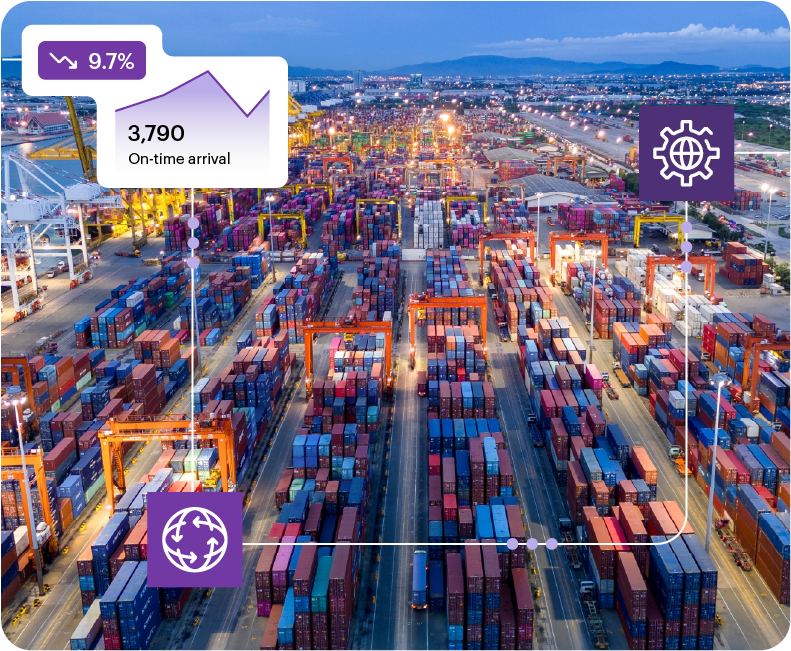

Identify disruptions earlier using real-time network visibility

Incorporate logistics and trade signals into planning and execution decisions

Embed trade compliance into daily workflows rather than managing it as a separate function

Reduce hidden integration costs caused by one off customizations or disconnected systems

Build confidence in long-term decisions with scalable, interoperable functions
These benefits compound over time, helping supply chains evolve toward greater autonomy while remaining grounded in practical, real-world execution.
Real world results from a more connected supply chain
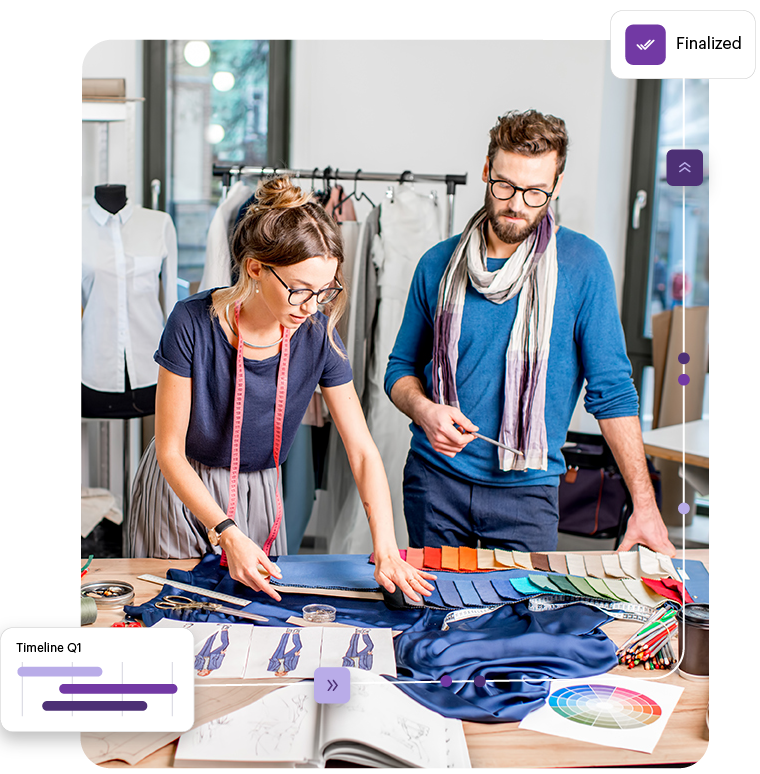
A leading global fashion brand used e2open’s sourcing control tower to harmonize multi-tier data and accelerate decision-making. The results speak for themselves:

3-5% reduction in rush-freight spend
5% improvement in on-time delivery
50-70% reduction in manual planning effort
Enhanced transparency across its global supplier network

A connected supply chain foundation built for the long haul
The most effective approach to supply chain transformation is making steady, practical progress on a foundation that’s designed to grow with you.
That means standardizing to scale and harmonizing data and processes across your extended network, including partners and tiers outside your enterprise. It means investing in quality and interoperability rather than short-term customization. And it means building toward autonomy gradually, using AI and connected data to detect disruptions earlier, learn from outcomes, and re-optimize as conditions change.
E2open and WiseTech Global operate as a single organization, combining decades of experience building the networks, data, and applications that make this possible. Together, they help companies connect extended ecosystems, improve supply chain visibility across tiers, and make more informed decisions, earlier.
What you’ll learn in this white paper
If your organization is navigating increasing complexity across global trade and logistics, this white paper provides a clear framework for building coordination without disruption.
Download our white paper to learn more about:

Why supply chain visibility gaps beyond Tier 1 create compounding risk, and what it costs to ignore them

How a shared operating system for global trade and logistics connects supply chain orchestration and execution

The three groups at the center of global commerce and what happens when they’re misaligned

Four principles for building a supply chain foundation that scales and adapts over time

Real-world case studies showing measurable outcomes for a more connected approach

Practical first steps for organizations ready to close the coordination gap
CASE STUDY
Streamline Global Parcel Operations for Efficiency and Cost Savings
Download our case study to learn how e2open helped a leading provider of animal health technology gain visibility and control over their shipping and logistics.
E2open subscription center
Subscribe to receive e2open updates
Interested in learning more? Stay current with the latest e2open news – from company updates to thought-leadership pieces, and so much more!