
Full-truckload (FTL) shipping can hide a costly problem in plain sight. Even when loads are planned carefully and carriers perform well, unused trailer space still gets billed. That “empty” capacity quietly inflates transportation costs without showing up as an obvious operational failure.
That’s why improved capacity utilization is one of the most reliable ways to lower FTL transportation costs. When shippers make better use of every trailer they already pay for, savings follow naturally. Our infographic, Six Ways Improved Capacity Utilization Reduces FTL Transportation Costs, breaks down how smarter planning and pallet-level visibility turn wasted space into measurable cost reduction.
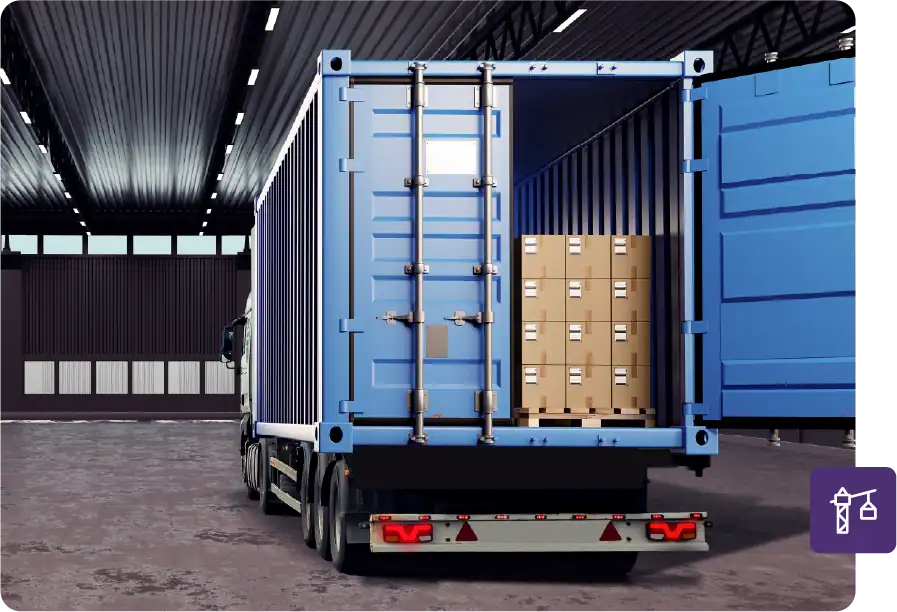
Why capacity utilization matters for FTL transportation costs
FTL pricing is based on the trailer, not the freight inside it. If a load plan leaves unused pallet positions due to conservative estimates or limited stacking visibility, that unused space still gets paid for. Over time, those gaps add up to higher linehaul spend, more loads than necessary, and less flexibility in carrier selection.
Improved capacity utilization helps address this challenge directly. By increasing the number of pallets (or pallet spaces) per truck, shippers reduce the number of loads required to move the same volume. That alone can have a meaningful impact on overall FTL transportation costs, without renegotiating rates or changing freight characteristics.
Six ways improved capacity utilization reduces FTL transportation costs
The infographic outlines six practical, repeatable benefits that come from better trailer utilization:

Fewer loads for the same volume
When more product fits into each truck, total load count goes down. That reduction compounds across lanes and planning cycles.

Lower linehaul spend
Linehaul is the largest cost component in FTL shipping. Fewer loads translate directly into lower linehaul costs.

Better carrier and mode selection
Loads that consume less space may qualify for different routing guide tiers, opening the door to more competitive carrier options.

More accurate rating
Improved visibility into actual pallet space eliminates overpaying for “phantom” capacity caused by rough estimates or manual assumptions.

Reduced accessorials and handling events
Higher utilization often means fewer touchpoints, less dock congestion, and fewer handling-related charges.

Sustainability and efficiency gains
Fewer trucks on the road reduce emissions and improve overall network efficiency—benefits that matter to both shippers and their customers.

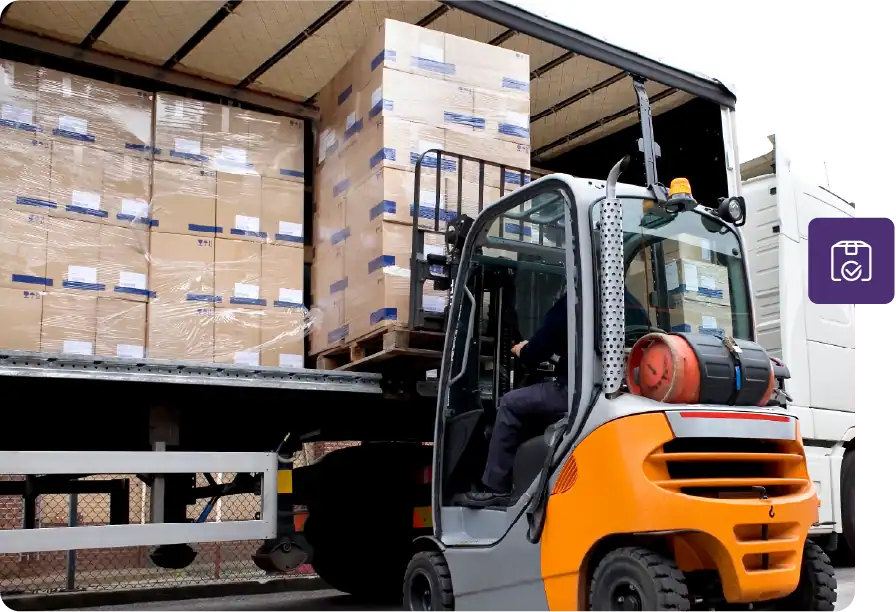
Turning utilization into repeatable results
Improving capacity utilization isn’t about squeezing freight tighter. It’s about using accurate data and intelligent planning logic to align load building, rating, and routing decisions. Solutions like e2open Transportation Management help make those decisions consistent and scalable across the network.
To explore how these ideas come together in real-world shipping operations, check out our resources on transportation management and freight cost reduction.
Ready to go deeper?
If you’re looking for practical ways to reduce FTL transportation costs using the capacity you already pay for, this infographic is a great place to start. Check out our blog to learn more about how improved capacity utilization and pallet-stacking intelligence can drive meaningful, repeatable savings across your transportation network.
E2open subscription center
Subscribe to receive e2open updates
Interested in Learning More? Stay current with the latest e2open news – from company updates to thought-leadership pieces, and so much more!